AGP Executive Report
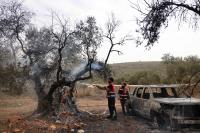
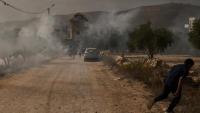
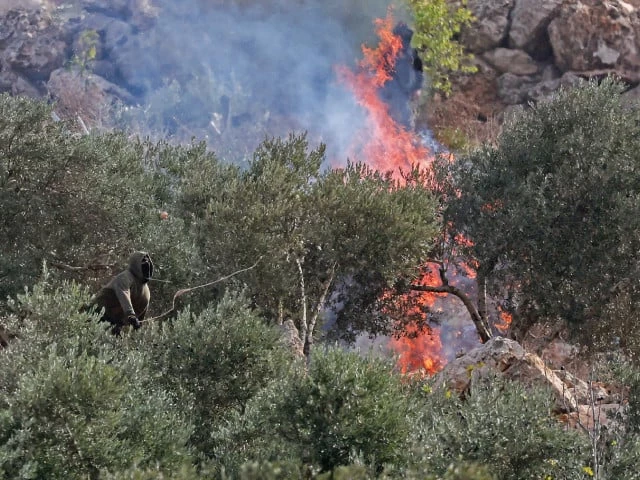
Last update: 11 hours agoEgyptian Logistics: Alexandria has opened the US$13.1 million El Amreya dry port, linking seaports with rail and inland markets. The facility is intended to ease congestion and improve access for Egyptian agricultural goods. Olive Harvest Under Attack: Settlers attacked Palestinian farmers across the West Bank, burning trees and vehicles and injuring people, including Washington Post photographer Heidi Levine. A prominent Israeli rabbi also issued a ruling permitting settlers to take Palestinian olives. Food Security Risks: The UN warned that a prolonged Strait of Hormuz closure could trigger a food crisis in Asia and Africa, as fuel and fertilizer disruptions add pressure to farming and food transport. Regional Trade: Turkish fresh vegetable exports rose 10% to US$822.7 million, while Egypt’s farmed fish won approval for export to all 27 EU countries. Lebanon’s Farmland: Israeli actions have damaged 22% of agricultural land in southern Lebanon, according to a recent report.
Note: AI summary from news headlines; neutral sources weighted more to help reduce bias in the result. Feedback is welcome. Please let us know if you have any comments or suggestions about the AGP Executive Report.
 Perspectify News